Bihunku x JKT48

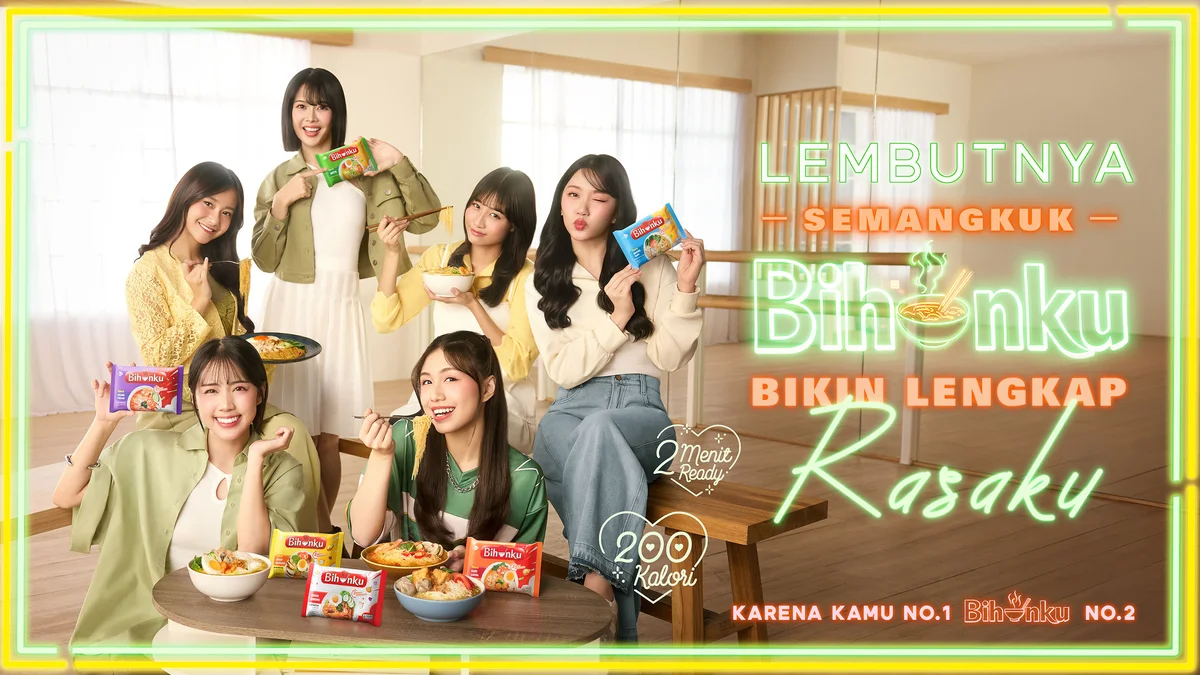
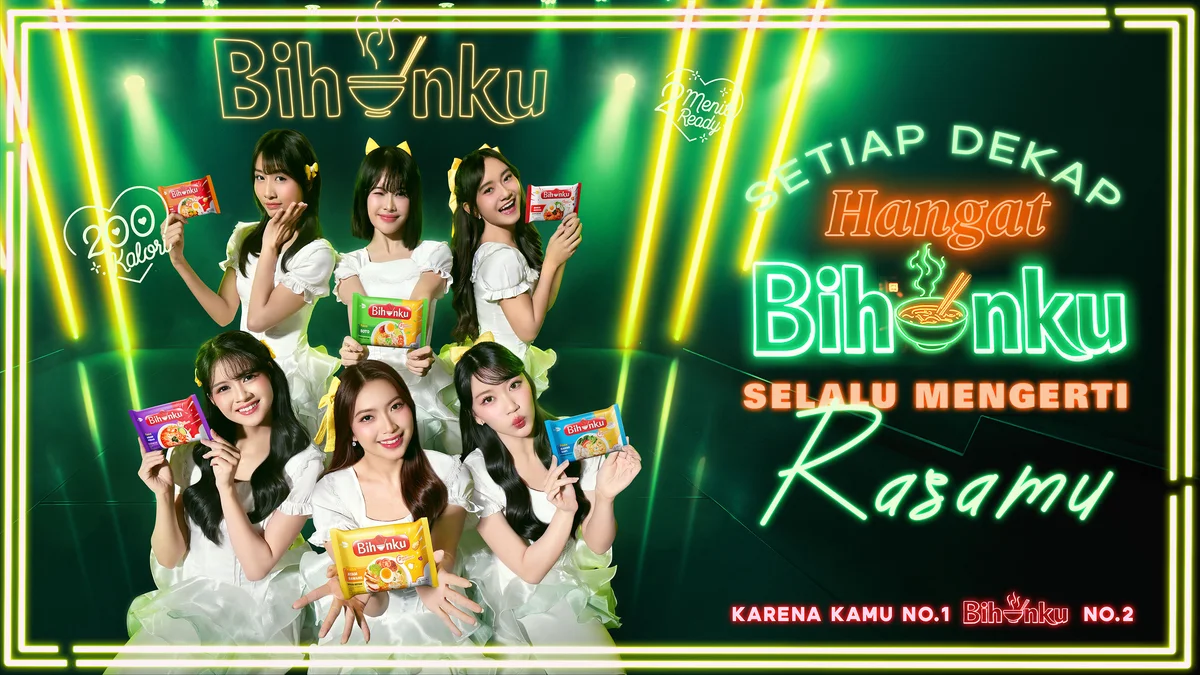



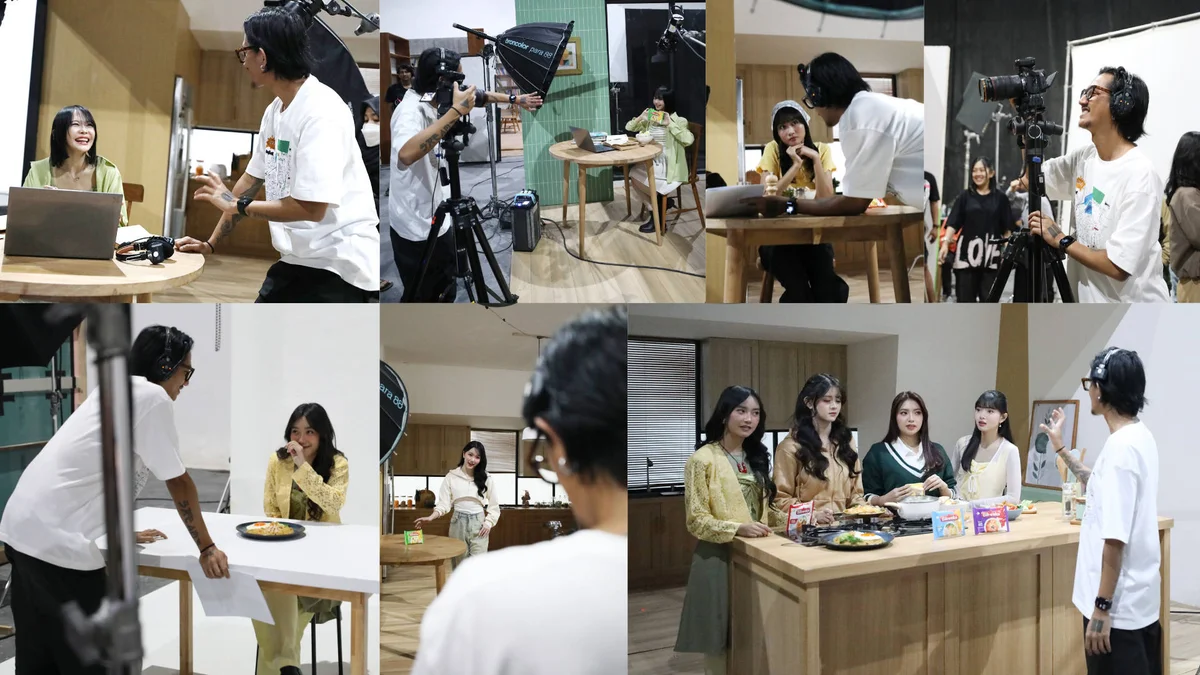
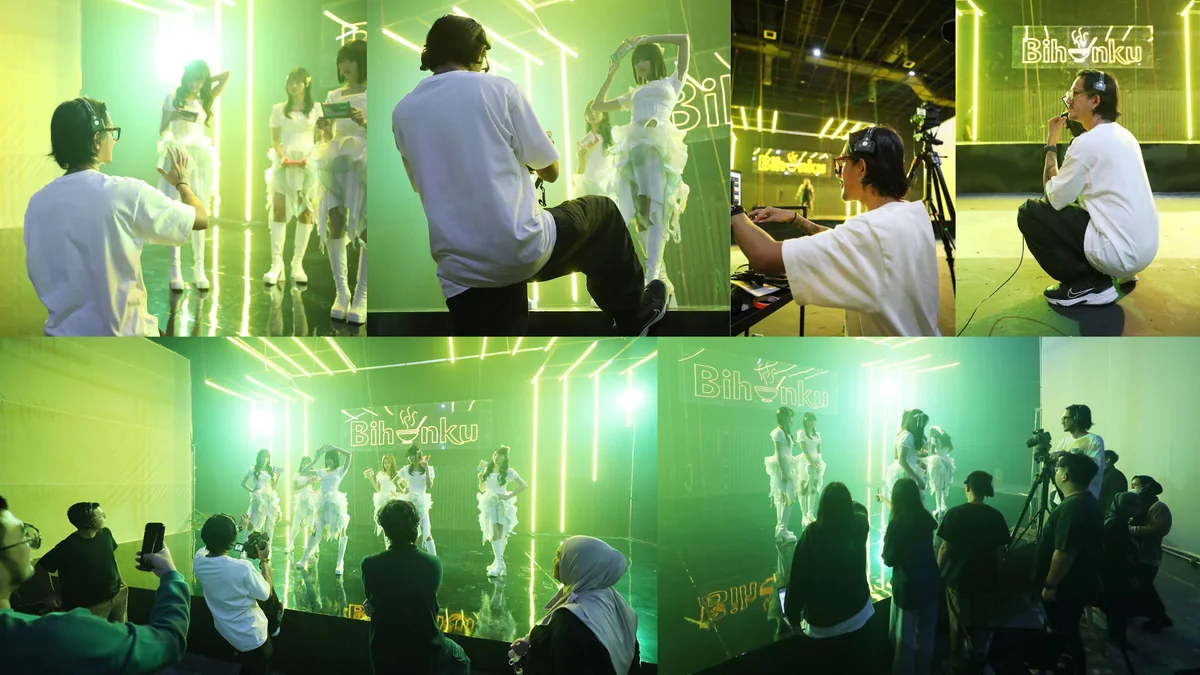
There's a version of a large production that runs on adrenaline and crisis management. Constant adjustments, constant redirection, the photographer as traffic controller as much as anything else. And then there's a production like this one — where the hardest part of the day is deciding when to press the shutter, because everything in front of you is already working.
JKT48 has that effect on a set.
Twelve members. Five layouts, each built on a real set — a kitchen, a living room, a stage setup, individual mood scenes. Dressed and lit to carry the warmth and playfulness that Bihunku needed. On top of that, a full run of stock shots on white: pairs of members, product in hand, every combination the digital team would eventually need. It was, on paper, a logistically demanding day.
In practice, it moved with a kind of ease that only comes from working with people who have spent years in front of cameras and know, instinctively, how to inhabit a frame.
My job with JKT48 has always been the same: light them well, read the room, and wait for the right moment. They do the rest. The expressions, the timing, the sense of genuine enjoyment and none of that requires much coaxing. What you see in the finals is largely what happened naturally. I was there to catch it.
The sets themselves added a layer of pressure that had nothing to do with the creative work. Everything had to stay clean. The following day, the same spaces would be used for TVC production, and we were responsible for handing them over in perfect condition. It's the kind of constraint that quietly shapes every decision on set. How you move, how you reset, how careful your team is between setups. An invisible discipline that never appears in the final image but holds the whole production together.
By the end of the day, we had everything. Five layouts, a full digital asset library, twelve members photographed and sent home. The sets, untouched.
That's a good day's work.
-Arza Nursatya, advertising photographer. HIRA Imaji, Jakarta