vivo Y29
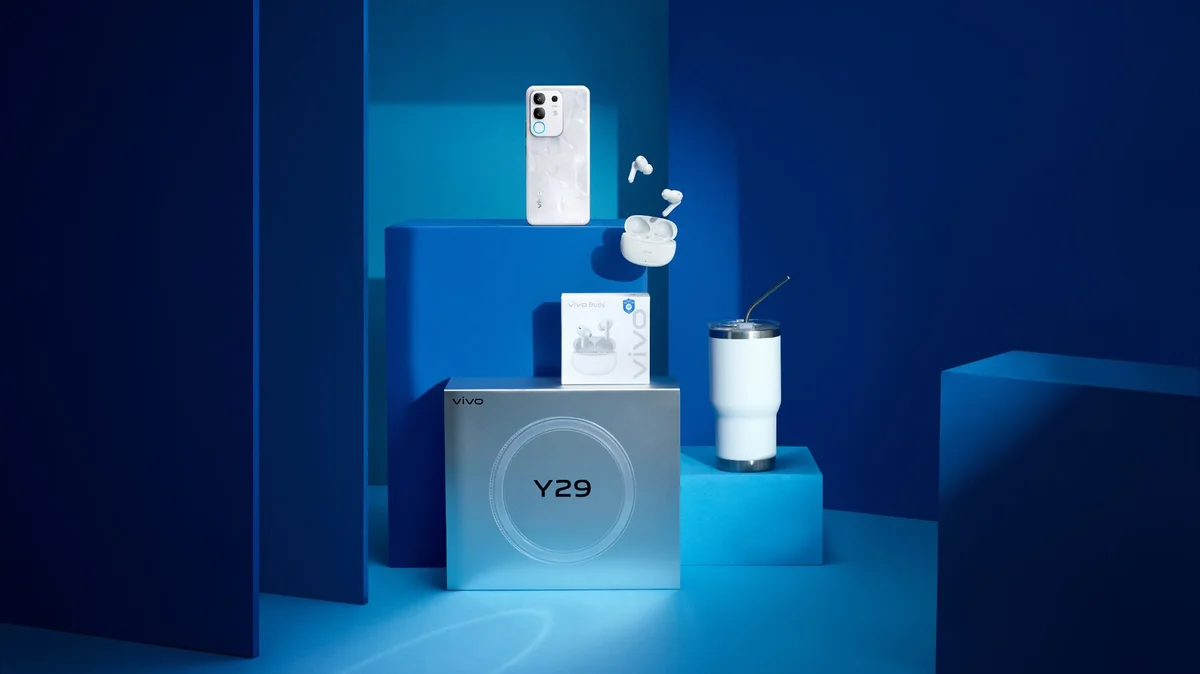
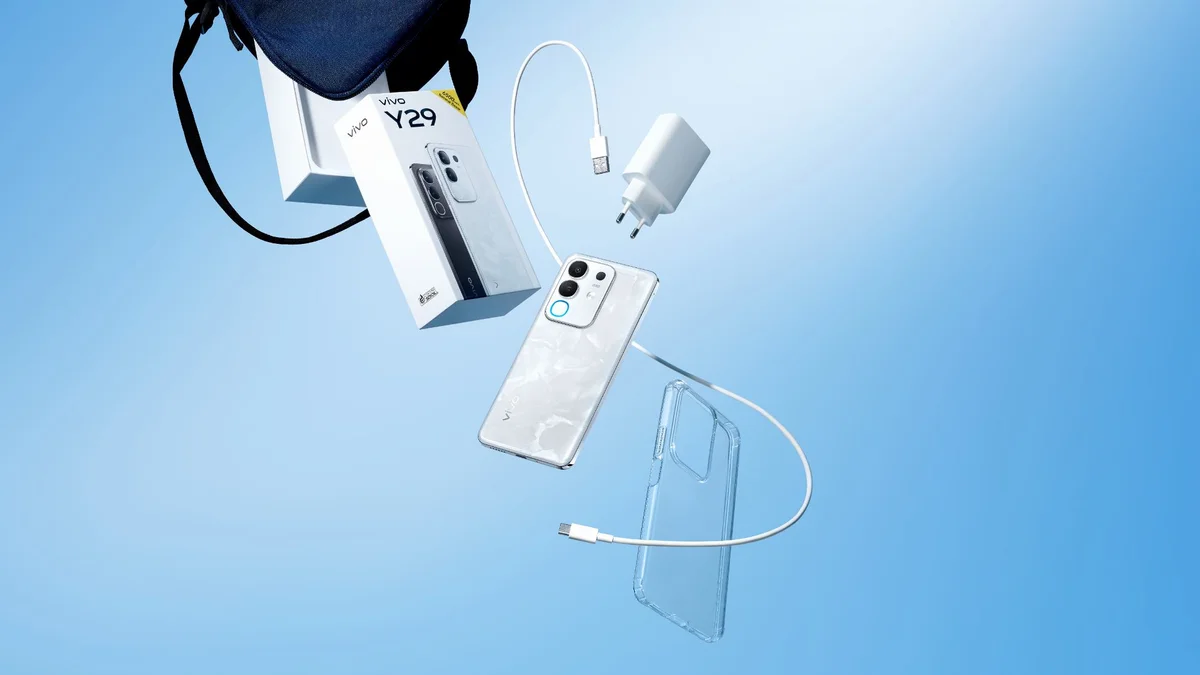
Phone launch photography looks simple until you're the one doing it. A phone, a light, a surface. But multiply that across every story the brand needs to tell, the unboxing moment, the premium gift set, the flatlay that shows scale, the durability proof, the beauty shot that makes the material feel expensive, the gaming energy shot, and suddenly what looked like still life becomes a full production with seven distinct visual languages that all have to land in the same room.
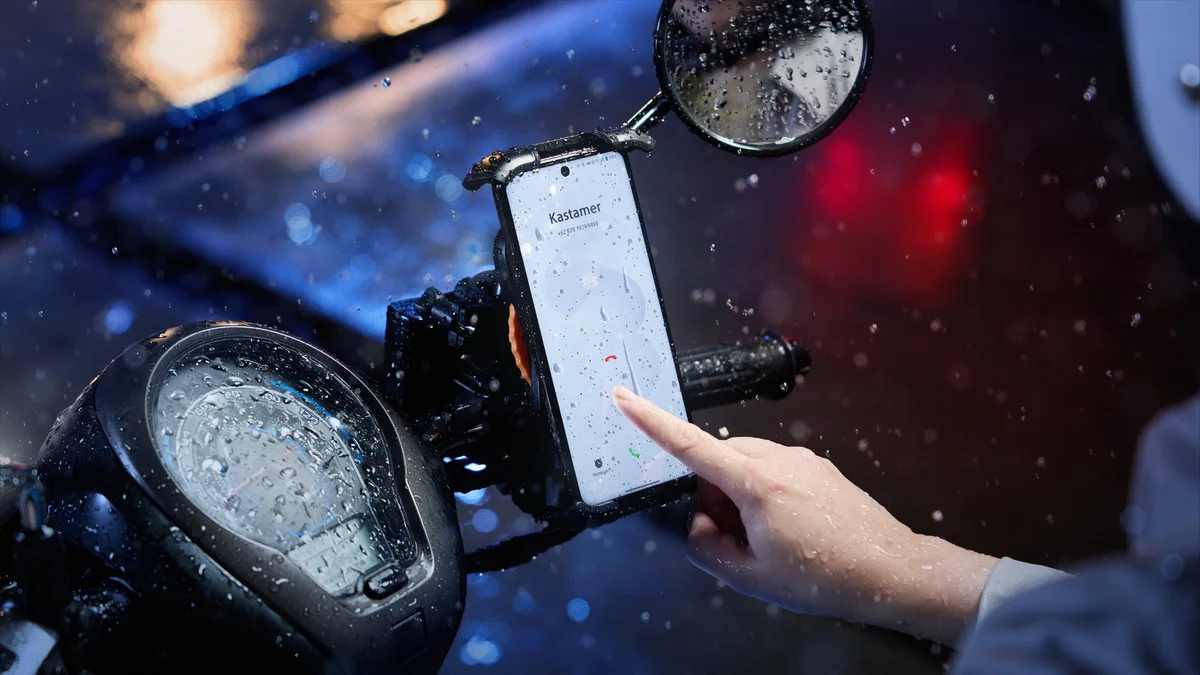
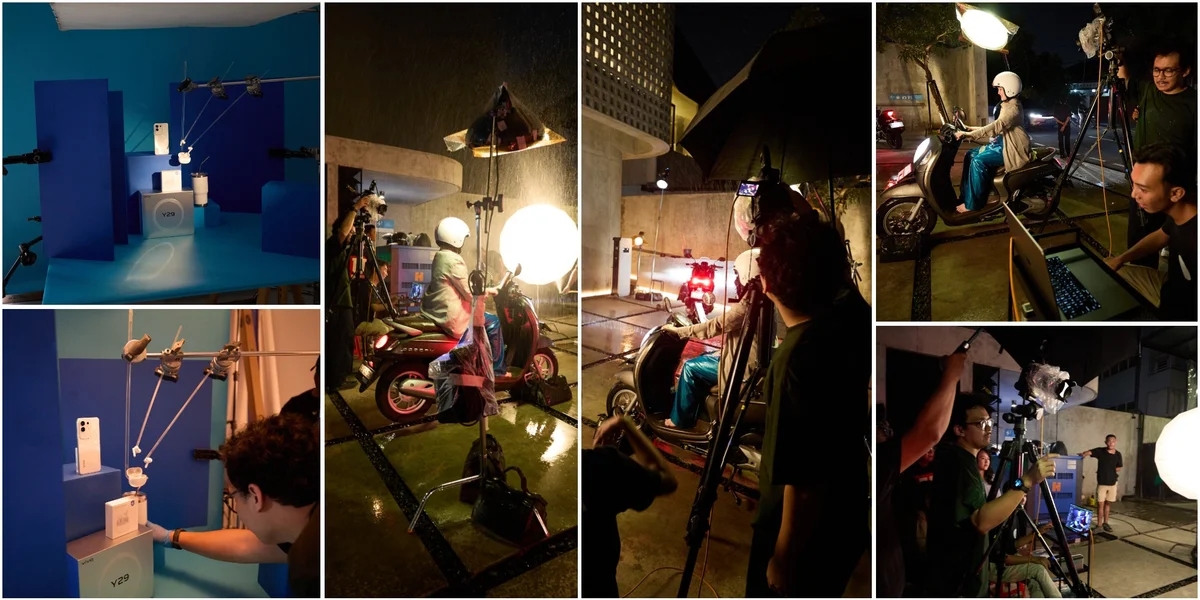
That was the challenge with vivo Y29's local launch. Each key visual demanded its own logic. Unboxing needed warmth and hands-on intimacy, product half-revealed, accessories scattered like a story mid-telling. The gift box needed restraint, soft gradients and negative space doing the heavy lifting to sell exclusivity without shouting it. The flatlay had to read cleanly from above, two devices in conversation with each other, precise and symmetrical. Durability meant getting physical: water beading on the surface, a gloved hand pressing into the screen, proof rendered as texture rather than claim.
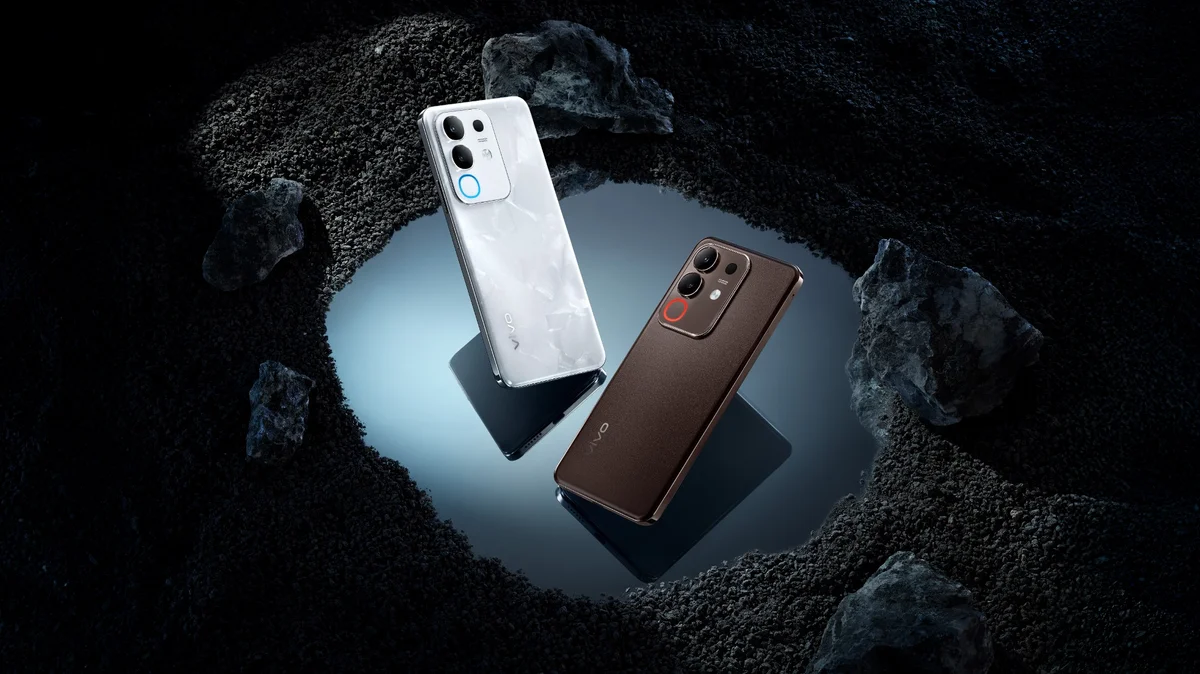
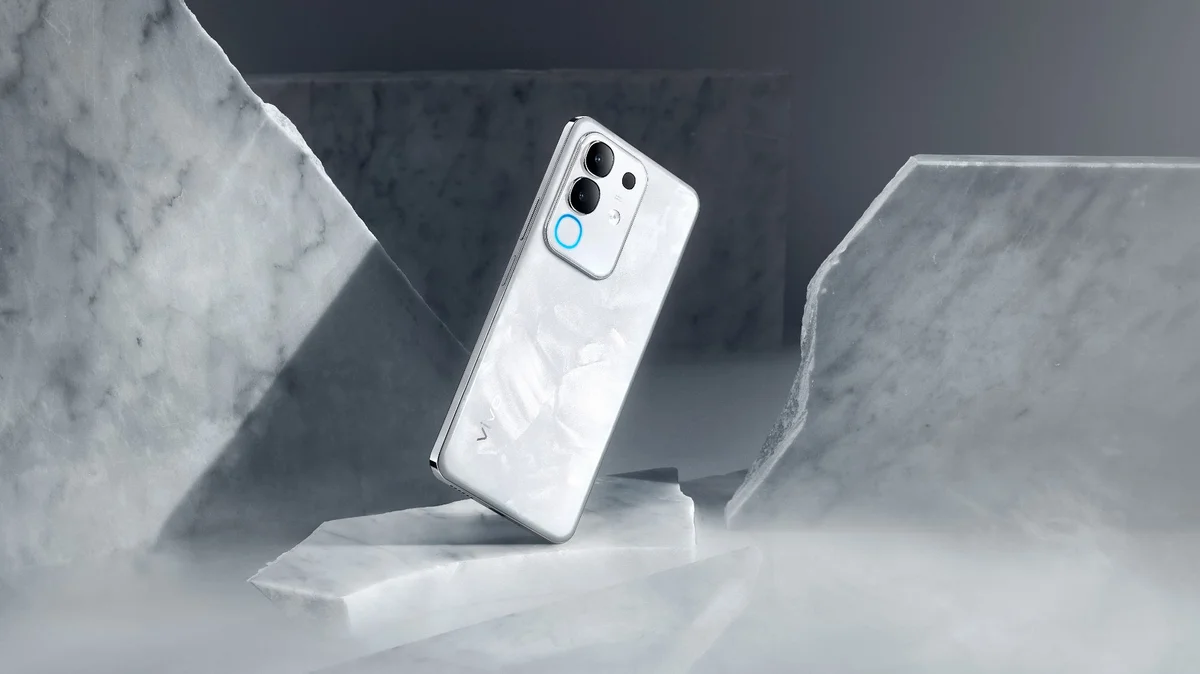
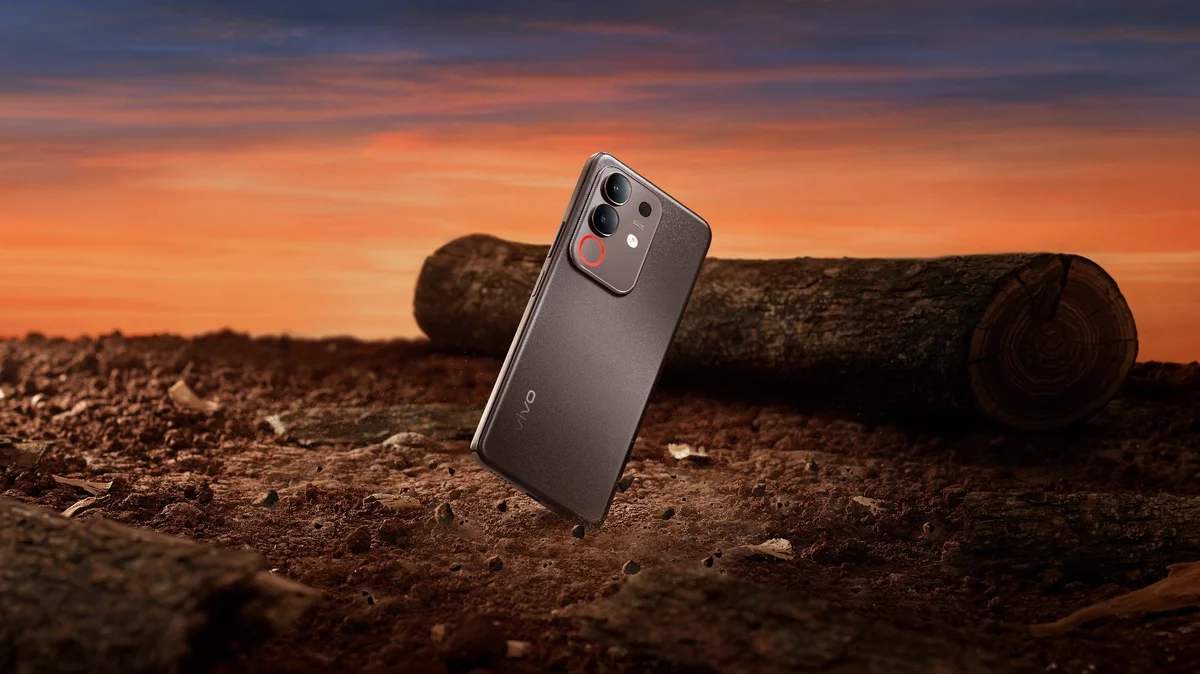
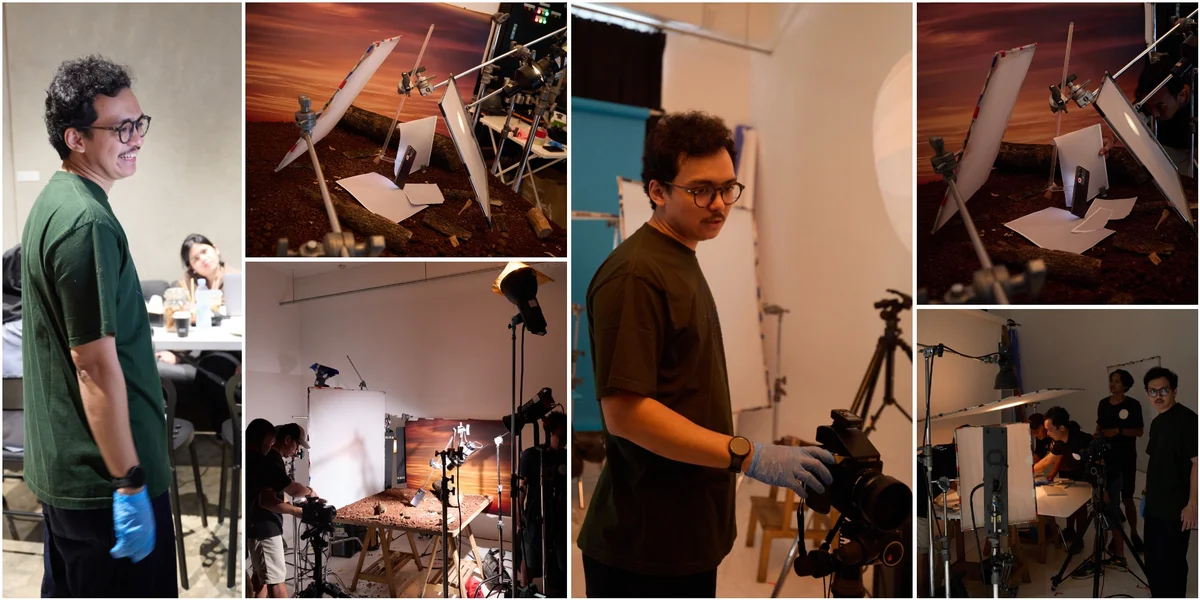
Then came the beauty shots, split across two colorways. Marble White leaned cool and mineral, the phone photographed like it was carved from ice or stone. Cendana Brown went warmer and moodier, sand and amber tones giving the device a scent-bottle kind of elegance, borrowing visual cues from luxury perfumery rather than tech marketing. Same phone, two personalities, entirely different lighting logic for each.
Gaming closed out the set, and it needed people back in frame. Hands gripping the device mid-play, a face lit by screen glow, the kind of intensity that sells performance better than any spec sheet could. It was the one key visual built around emotion rather than object, and it had to hit just as hard as the six still life setups before it.
Executing all seven in a single sitting meant the pre-production had to do most of the heavy lifting. Every surface, prop, and lighting configuration was planned before anyone touched a camera, because there was no room on set to figure things out as we went. What made it work was treating each key visual as its own tightly scoped shoot rather than one long undifferentiated session, resetting intention completely between setups even when the gear barely moved.
By the end, what we had wasn't just seven images. It was seven different arguments for why this phone belongs in someone's hand, and all of them had to be true within the same day.
Prayogo Yoedo
Photographer of HIRA Imaji, Jakarta.